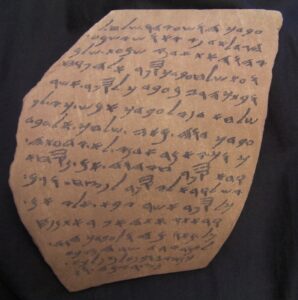

The Nabonidus Chronicle: how Babylon’s fall was recorded in a damaged clay tablet
Neo-Babylonian history · evidence guide The fall of Babylon in 539 BCE is often retold as a neat transfer of power from a failing Babylonian king to a liberating Persian…
The Uluburun Shipwreck: a Bronze Age trade network preserved on the seabed
HistoryZ evidence guide · Late Bronze Age Mediterranean The Uluburun wreck is valuable because it is not a single spectacular object. It is a whole cargo: metals, jars, glass, ivory,…
The Cyrus Cylinder: What the Clay Text Says—and What Later Myths Add
Ancient sources · evidence review The Cyrus Cylinder: What the Clay Text Says—and What Later Myths Add The Cyrus Cylinder is famous because it sits at the crossroads of archaeology,…
The Lachish Letters: reading the last signals from a city under pressure
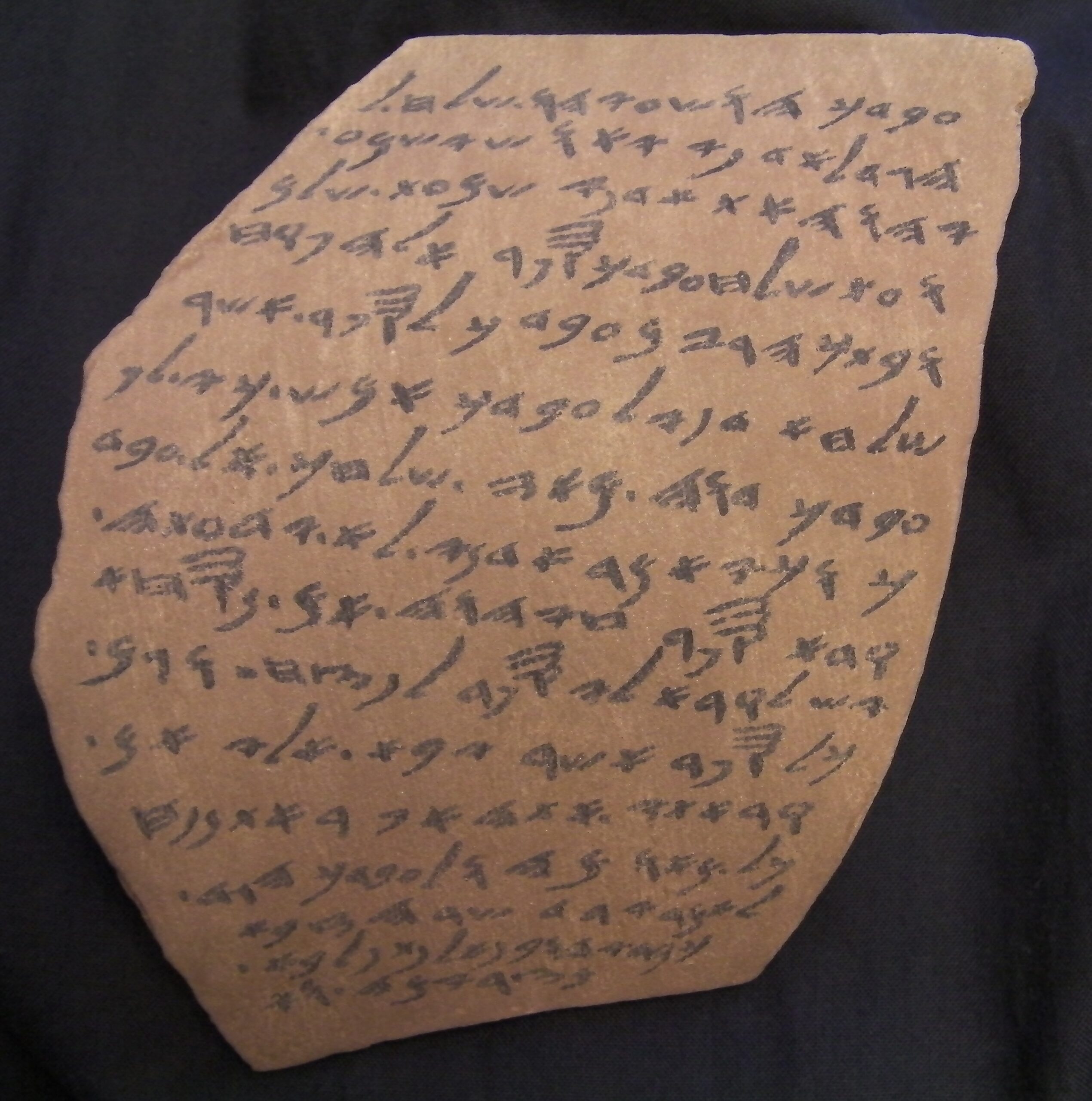
Ancient Judah · source evidence The Lachish Letters: reading the last signals from a city under pressure The Lachish ostraca are often introduced as dramatic letters from the edge of…
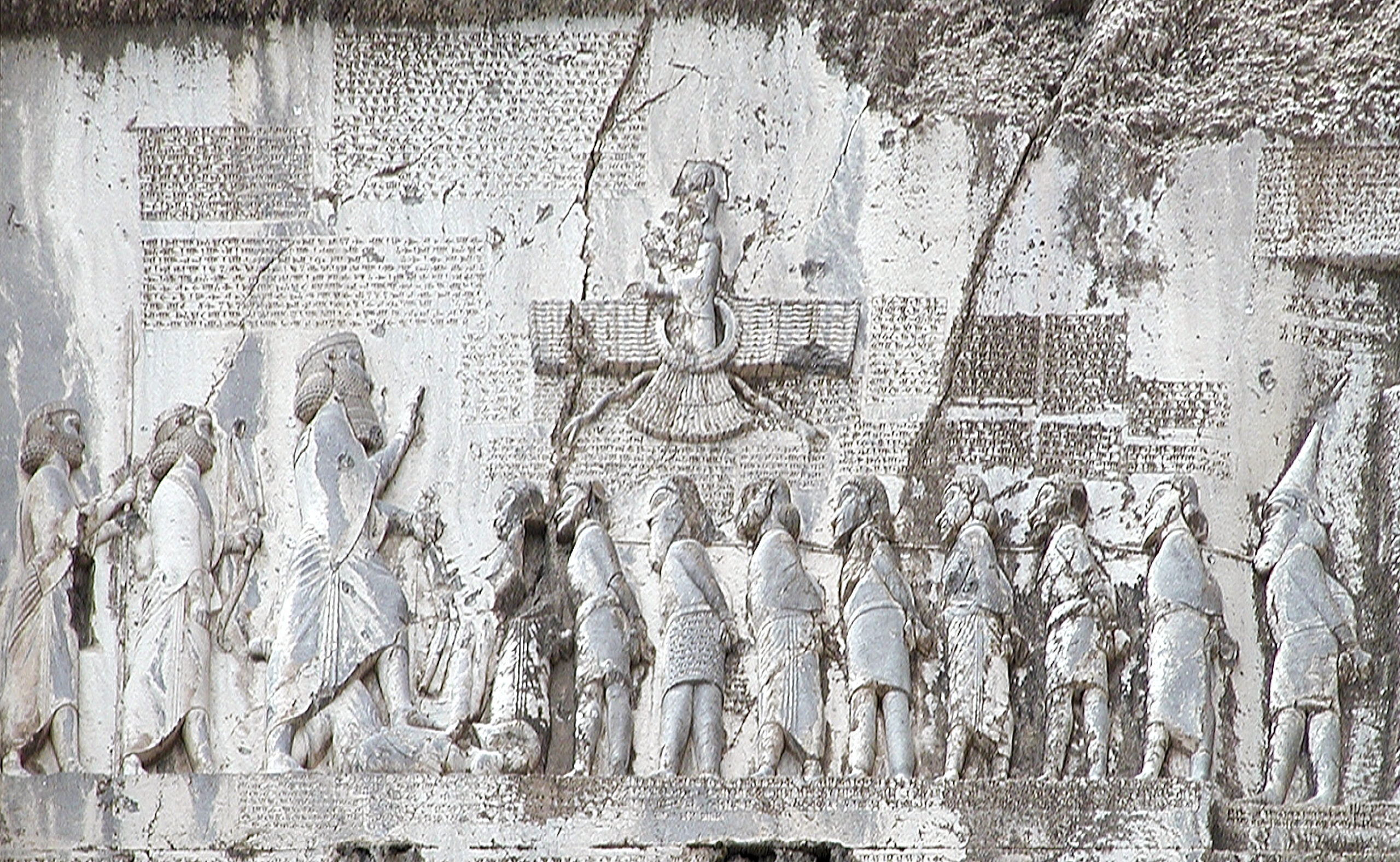
The Behistun Inscription: How a Cliff Text Opened Cuneiform
Ancient empire · decipherment evidence The Behistun Inscription: How a Cliff Text Opened Cuneiform The Behistun Inscription is often introduced as the “Rosetta Stone of cuneiform.” That comparison is useful,…
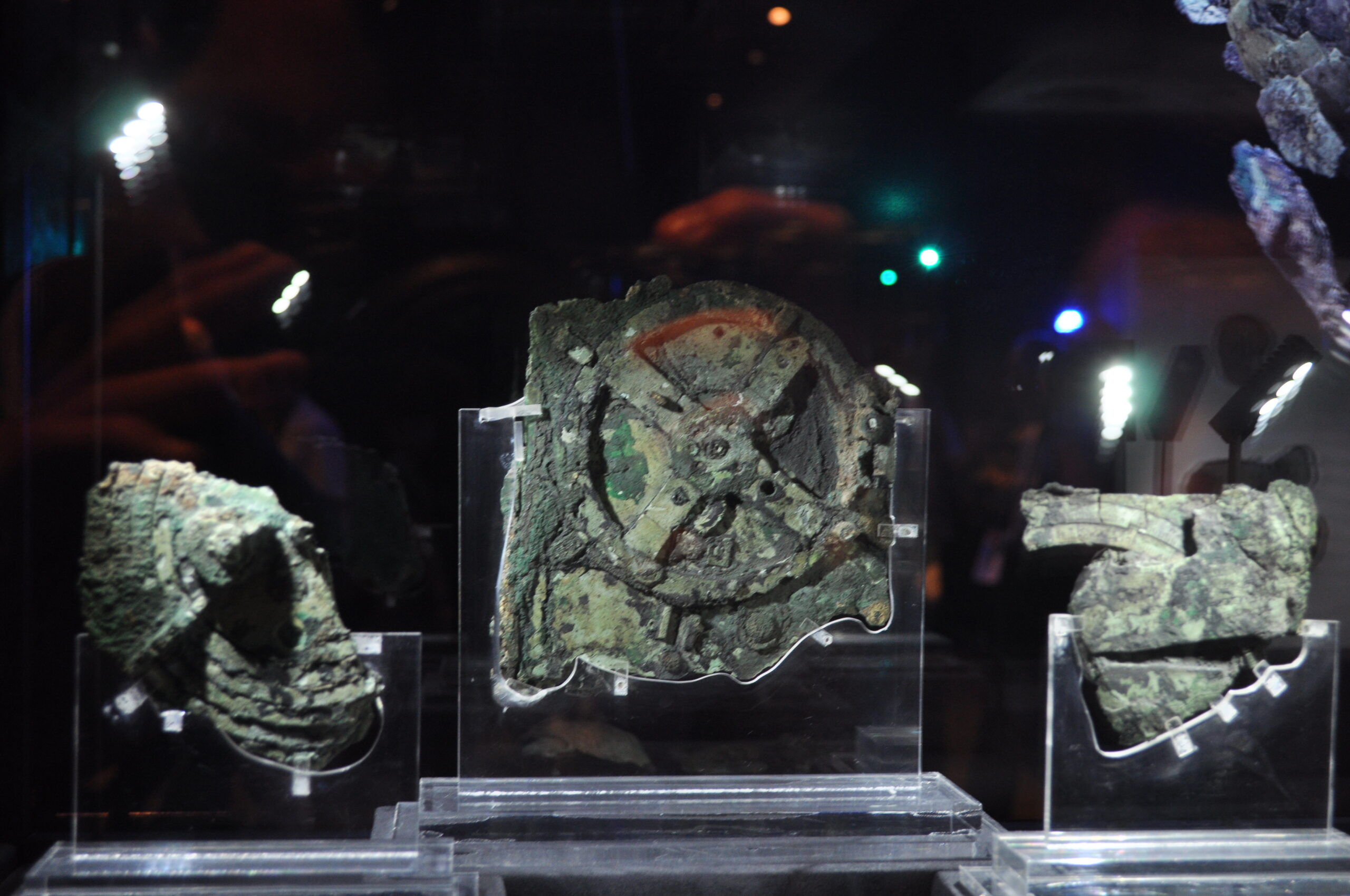
The Antikythera Mechanism: Brilliant Evidence, Careful Limits
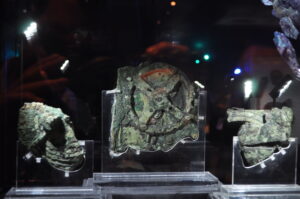
Ancient technology · evidence review The Antikythera mechanism: brilliant evidence, careful limits The ancient bronze fragments are often called the world’s first computer. That phrase is useful only if it…

The Rosetta Stone is not a dictionary: how a decree became a decipherment key
A source-led HistoryZ feature explaining why the Rosetta Stone worked as a decipherment key: not by acting as a dictionary, but by preserving one decree in three scripts.

Why Did James Smithson Give His Fortune to America? The Mystery Behind the Smithsonian
On October 23, 1826, a wealthy British chemist named James Smithson wrote a will containing one of the strangest gifts in American history. Smithson had never visited the United States.…
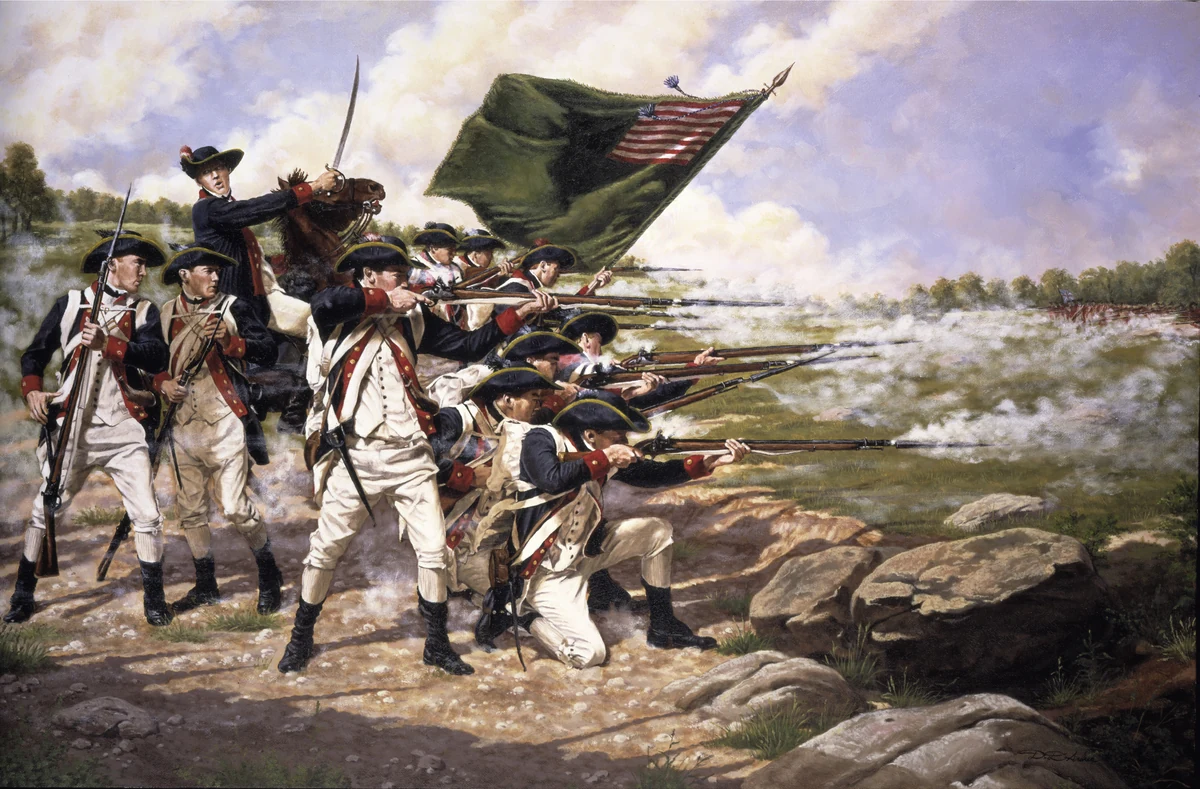
How Washington Escaped Brooklyn After the Battle of Long Island
How Washington Escaped Brooklyn in 1776: The Night Retreat That Preserved the Continental Army On the night of August 29-30, 1776, George Washington faced a problem more dangerous than the…